

For publishers of much loved and talked about game franchises, brand risk rarely begins on launch day. The real game launch risks appear weeks earlier, often inside low-visibility conversations where player expectations form and community narratives take hold. These early risk signals often don’t name the game or publisher directly, but they shape how players will interpret the launch long before metrics shift or headlines appear.
What this briefing covers:
- Where game launch-day backlash actually begins
- The early signals that predict launch-day risk
- How communications and brand teams can get ahead of narrative momentum
As an analyst tracking gaming brand risk in real time, I see the same patterns across major game studios and publishers: small, early signals buried in creator chatter, Discord discussions, or niche community forums. A single fairness or pricing compliant. A critique tied to game community identity or values. Missing these early signals means communications, PR, and marketing teams are left reacting to the launch narrative, rather than shaping it. The result? Slower responses, fragmented messaging, and reputational damage that costs more to clean up than to prevent.
Overlooking these early, nuanced brand perception shifts carries real cost. Game launch backlash can drive day-one sales drops, surge refund requests, force public reversals, and erode long-term brand trust. Titles may be pulled. Executives, investors, and the game’s fandom may lose confidence. And once players decide a launch was mishandled, changing that story is far more expensive than preventing it.
Traditional monitoring tools detect sentiment trends, but typically only after the damage begins. By then, the community controls the narrative — not your brand team. That’s why game launches can feel risky and unpredictable.
Whether you’ve just been through launch season or are planning for next year, this briefing highlights four early narrative patterns that consistently influence game launch perception, sentiment, and brand trust, offering teams a practical way to interpret emerging brand risks before they escalate.
1. Early signals that shape launch-day perception
The earliest indicators of launch risk don’t appear in overall sentiment. They surface in specific communities, creator channels, and topic-driven discussions that preview how players are interpreting new information. These signals often show direction before they show volume, which makes them essential for understanding how expectations and risks are evolving.
Example: Early signal drift ahead of the Battlefield 6 launch
In the lead-up to Battlefield 6, top-line sentiment appeared stable. Yet discussions in certain sub-communities showed gradual increases in negative indicators related to access, stability, and design choices. These shifts appeared days before broader sentiment moved, suggesting the narrative was changing while surface metrics still looked neutral.
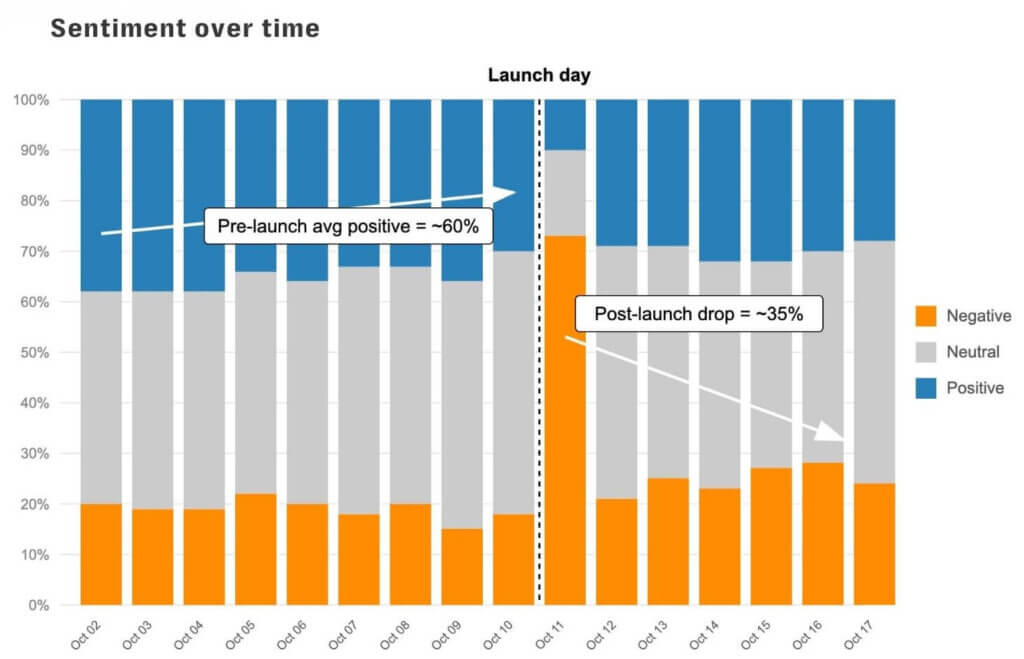
Positive sentiment held above 60% before launch, but dropped sharply once backlash hit.
While overall sentiment looked stable pre-launch, community chatter told a different story. In the days leading up to Oct 11, negative volume was already growing in subreddits, Discord servers, and creator comments — driven by fairness and access concerns. Resolver surfaces these early signals before dashboard metrics shift, giving teams a chance to act before backlash becomes the story.
What drives these early perception shifts
These early shifts typically follow predictable patterns, which makes them easier to spot once you know what to look for. For Battlefield 6, the shift reflected early concerns around access, stability, and design direction. These were more than your typical technical performance complaints.
- Fairness perception risks: Bot complaints and pricing relative to competitors make customers feel the playing field isn’t level. When access feels gated or manipulated, backlash centers on inequality. Customers compare their experience to others. They feel cheated. Responses need transparency about how access works and what’s being done to fix it.
- Trust perception risks: Server outages and unfulfilled pre-orders signal the platform can’t deliver on promises. When basic functionality fails, backlash centers on competence. Customers question whether the company can execute. Responses need accountability about what broke and concrete timelines for fixes.

Delayed communication from a brand can leave space for damaging narratives to emerge. This was posted before the brand addressed server and access issues during the Battlefield 6 launch.
- Culture and identity: Decisions about female characters, “gender-locked” classes, or character skins trigger backlash beyond gameplay. The critique isn’t about game balance. It’s about whether the brand still reflects what the community stands for. Communities treat these as violations of shared values. The backlash becomes emotional. It spreads faster because it touches identity. Policy-driven moderation prevents escalation into harassment.
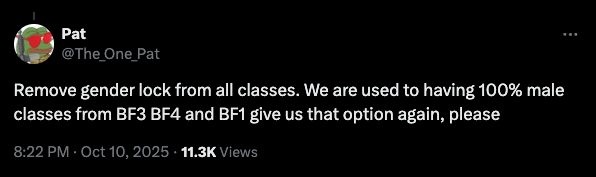
Critical trends impacting product identity can quickly snowball into issues which permanently tarnish the brand’s identity.
2. Why transparency drives brand trust in game launches
Players and creators evaluate more than product quality during a release. They track how publishers communicate, how quickly issues are acknowledged, and whether information is shared consistently across channels. These expectations make transparency a core part of launch communication. When responses are delayed or incomplete, communities develop their own explanations, which can shape perception before the brand has a chance to clarify.
A clear example is the 2020 launch of Cyberpunk 2077 . The technical issues were significant, but the greater reputational impact came from how communication choices were interpreted. Withholding console review copies created a perception that problems were known in advance. What might have been seen as a difficult launch became a broader credibility issue because communities viewed the lack of transparency as intentional.
Two patterns contributed to the escalation:
- Failure of transparency: The deliberate strategy to withhold review copies for older generation consoles before launch created a gap in credibility. Once product flaws became public, this non-transparency was interpreted as corporate deception rather than a simple development oversight.
- Response vacuum: When brands don’t respond quickly, communities fill the gap. Often with the worst assumptions. In Cyberpunk‘s case, bug montages went viral while the company stayed quiet. Delayed, generic corporate statements came too late. User-generated content had already defined the narrative. Silence doesn’t mean neutrality. It means ceding control. The lack of early communication let dissatisfaction escalate into betrayal.
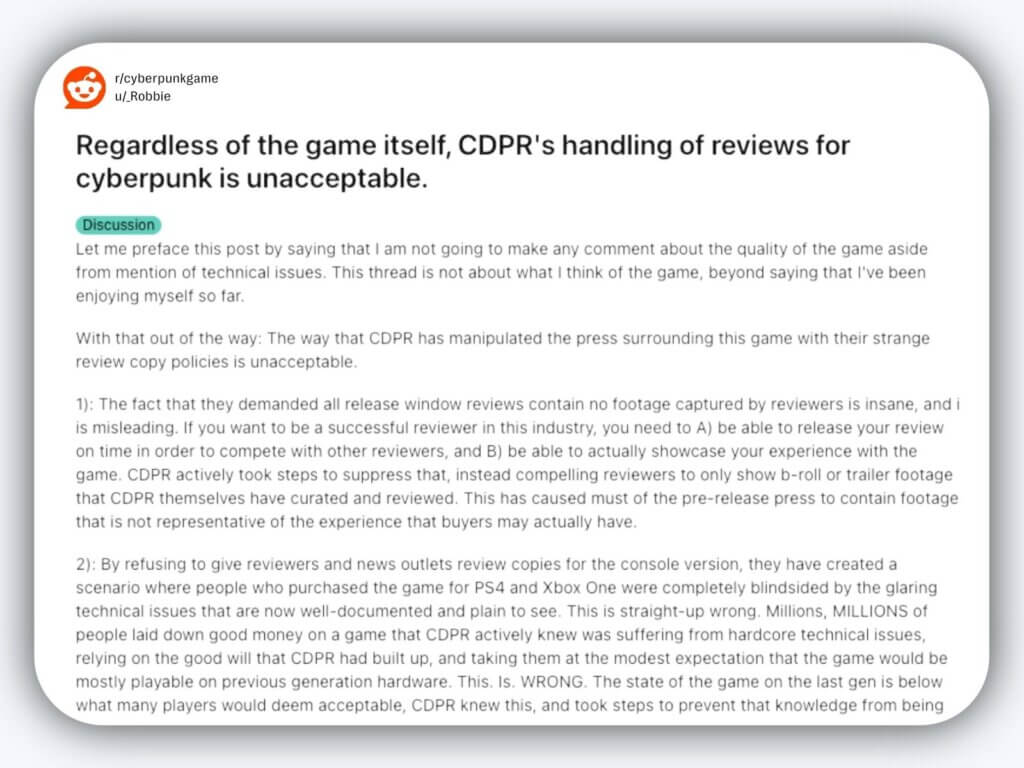
A lack of communication can be more damaging than erroneous proactive messaging.
This crisis culminated in the unprecedented removal of the game from the PlayStation Store. Being pulled didn’t just hurt sales. It signaled that a major platform no longer trusted the product’s viability. That deepened the brand credibility gap. The lesson: Silence is an active component of brand crisis. Proactive communication and the ability to detect and respond to initial negative signals in real-time are essential for mitigating long-term reputational and financial damage.
Read: Why Nostalgia-Fueled Comebacks in Gaming Pose Real Risks to Brand Reputation
3. Strategic risks: What disrupts game launches beyond the bug
Well-engineered launches can still fail, even when the product works. The threat isn’t always technical. Fast-moving social narratives spread through platform dynamics like algorithmic amplification, creator commentary, and community outrage cycles. These narratives can exploit both consumer hype and moderation gaps. Before you have a chance to respond, perception has already turned against you.
The risks that escalate fastest often bypass customer support channels entirely, such as:
Coordinated boycotts and values-driven backlash
High-profile launches are frequent focal points for socio-political activism. When a brand’s values or decisions are questioned, communities mobilize quickly, particularly if they perceive a slow or limited response.
Common drivers include:
- Corporate ownership and values: An example of this is the Saudi-led private equity acquisition of EA triggered backlash over human rights concerns and whether the brand still aligned with player values.
- ESG and ethical missteps: Poor environmental practices, labor conditions, or tone-deaf marketing become rallying points. For example, Poppi’s vending machine stunt triggered backlash over perceived insensitivity during an economic downturn. It wasn’t a product flaw, but a values disconnect for their community.
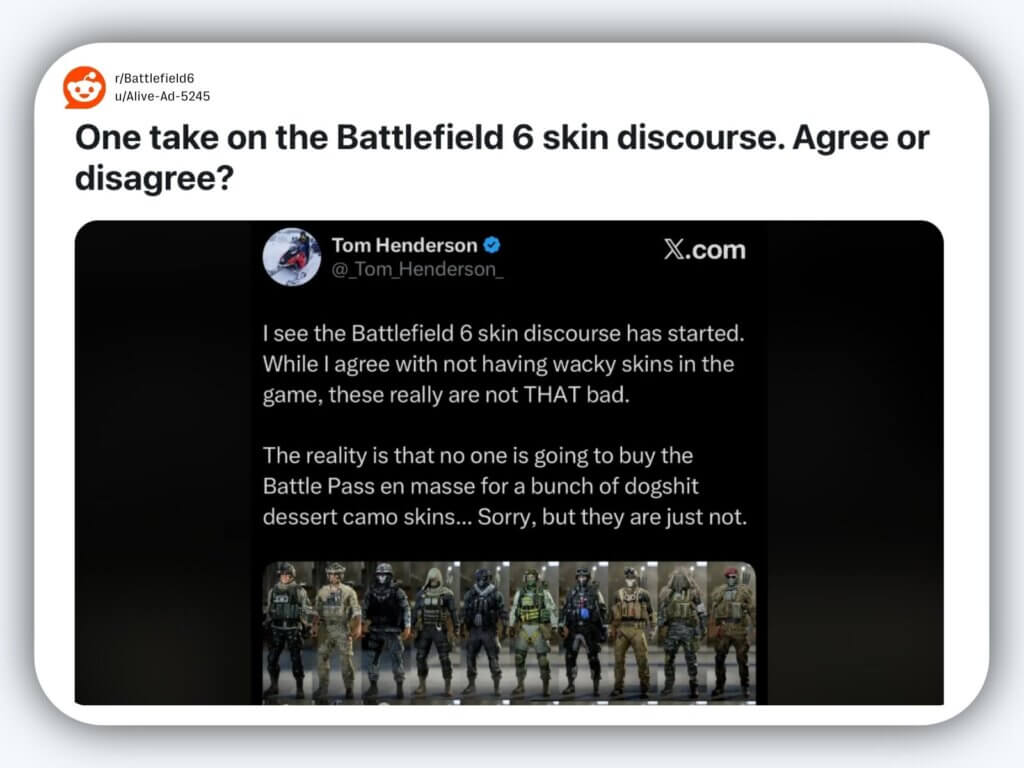
Controversies and disputes among fan groups can lead to real financial impacts against a product post-launch.
Fraud and executive impersonation
Launch anticipation creates opportunities for threat actors. These risks affect player trust and often surface in channels that traditional monitoring tools do not track. Examples include:
- Phishing/Domain abuse: Creation of lookalike domain names and fraudulent gaming websites to harvest consumer credentials or distribute malware. Scammers often create convincing “early access” links or fake pre-order confirmations, capitalizing on fan anticipation and “FOMO” (fear of missing out).
- Brand and VIP impersonation: Fake social media accounts, particularly on fast-paced platforms like X (Twitter) and Telegram, impersonating executives or the brand to spread financial scams or damaging misinformation.
4. How top brands manage game launch risk at scale
Managing launch-day risk requires anticipating how conversations will develop and preparing your teams to respond before narratives accelerate. Effective publishers we’ve worked with rely on structured processes that help them interpret early indicators, enforce communication policies consistently, and maintain clarity across channels when attention peaks.
Two practices are especially common among teams that navigate volatile launches well:
Proactive community management and tone-setting
Social media and moderation teams in gaming can enhance resilience by shifting from reactive clean-up to proactive tone-setting and intelligence gathering:
- The strategic withholding model: Brands like Nintendo have curated the art of strategic information control. Take Zelda: Tears of the Kingdom as an example. Controlling information flow helps shape the launch narrative, especially in high-expectation fandoms. This approach reduces speculative backlash. It allows fan excitement — not critique — to set the tone.
- Phased information release: Instead of overwhelming the market early, they strategically withhold core gameplay features until close to launch. This prevented critics from having months to dissect and weaponize narratives, allowing the community’s positive sense of discovery to organically influence the initial post-launch narrative.
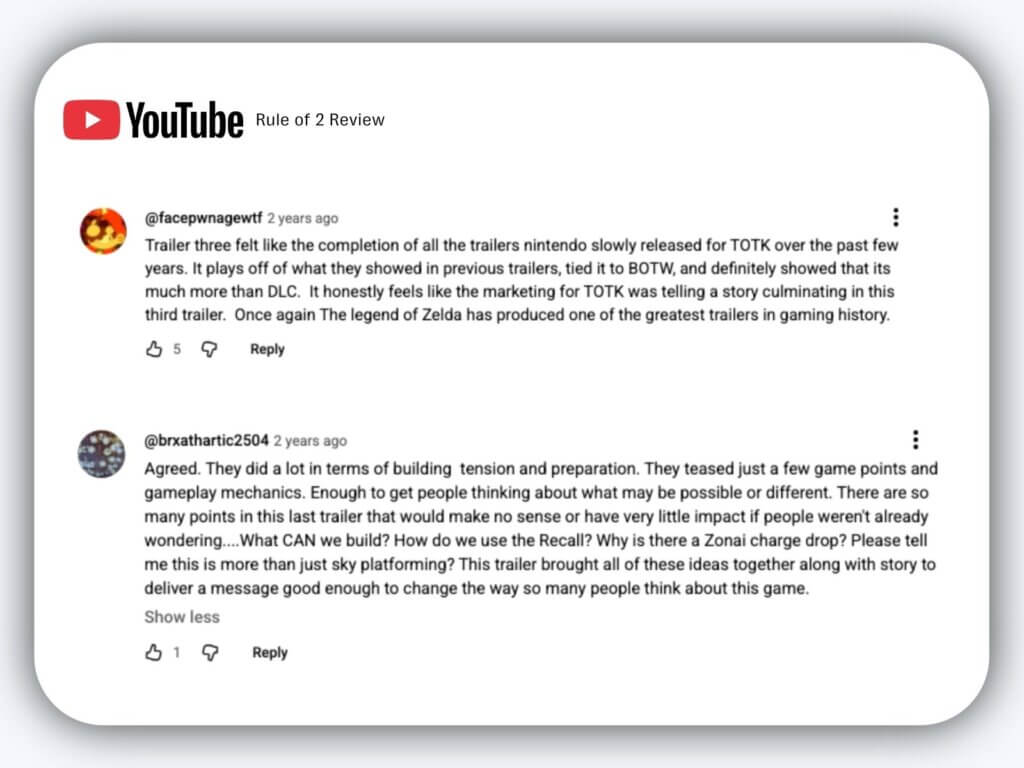
YouTube comments about Zelda: Tears of the Kingdom’s third trailer highlight how carefully staged reveals shaped fan perception and anticipation before launch.
How to protect brand trust during high-visibility launches
Major gaming launches carry more than technical risk. They also shape how communities and fans perceive your brand for quarters to come. Whether you’re releasing during peak season or off-cycle, success depends on your team’s ability to see early signals, read narrative shifts, and act before backlash builds momentum.
Traditional monitoring surfaces sentiment trends too late. By the time the numbers move, the narrative is already out of your hands. Resolver supports communications and brand teams with analyst-led insight into creator chatter, community concerns, and fast-moving online risks. Our Social Listening and Online Risk Intelligence service helps teams detect early warning signs, brief leadership with confidence, and respond before reputational damage takes hold.
Communications teams don’t need more charts showing sentiment after backlash begins. They need earlier visibility into the creator-led and community-driven narratives that will shape perception — before launch day.
Need early warning before your next launch?
Our analysts surface creator-led and community-driven risk signals weeks before dashboards move.
Talk to an expert and get a custom report
About this Author: Joshua Brigly is a Specialist Intelligence Analyst for Resolver’s Corporate Intelligence division, where he tracks emerging online risks, narratives, and creator-driven threats that impact brand reputation. With a background in translation and digital risk reporting, he brings a cross-cultural lens to online risk intelligence and early-warning detection across fragmented platforms.
