Risk Intelligence Trends: When Real‑Time Social Decisions Create Pharma Risk
Pharma marketing teams face growing uncertainty in real-time social engagement. Learn how AI search, alongside new risk signals and channels, are reshaping campaign decision making.
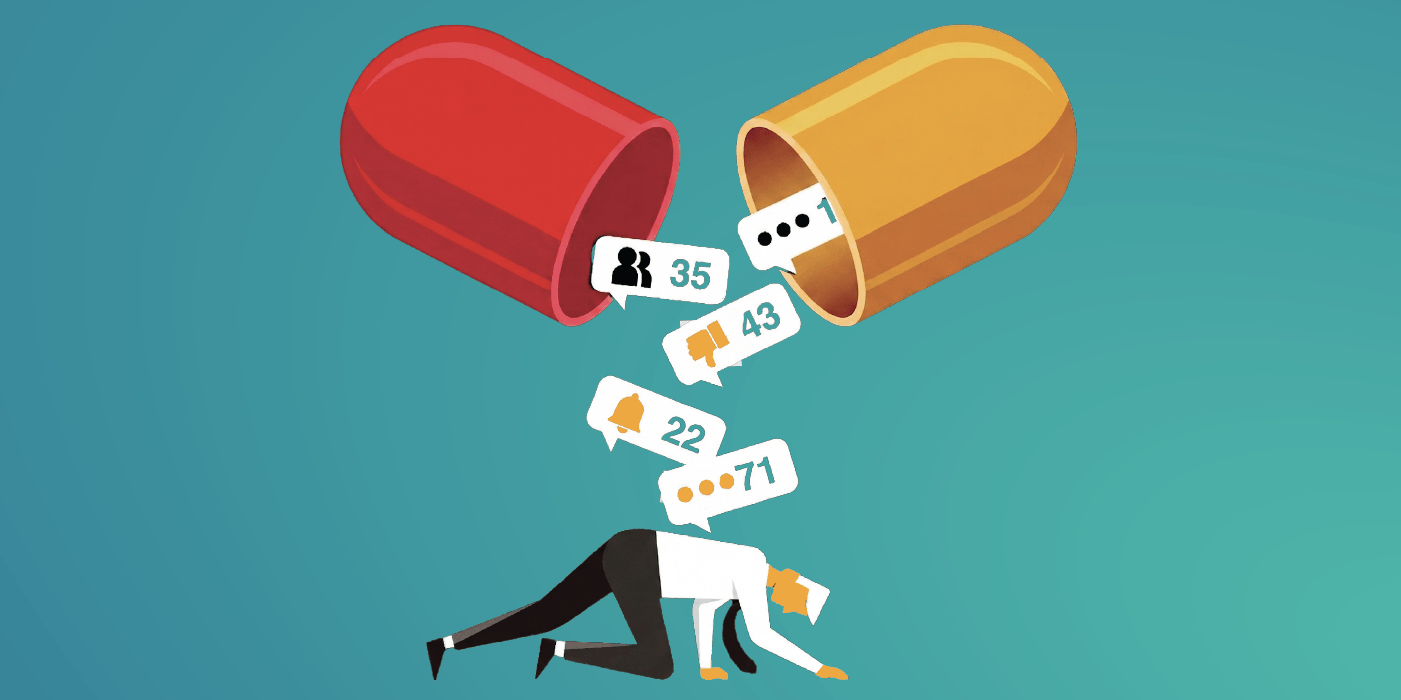

Your internal safety team isn’t wrong to be cautious about your pharma marketing and social campaigns. But when caution means disabling comments, avoiding new channels, and running one-way campaigns, the cost of compliance starts to look a lot like the cost of invisibility.
If you’re a pharma marketer, you’ve probably felt this tension. Pharma social risk has changed faster than most teams’ existing tools and workflows can keep up with. The pressure to engage, grow communities, and reach patients where they actually are is running up against processes that weren’t built for the speed and scale of social media today.
The pressure now comes from gray areas. A comment that hints at a side effect without using clinical language. A creator who paraphrases a claim just slightly off message. A discussion thread that gains traction overnight in a different market. In these moments, the challenge isn’t whether teams take adverse event detection and compliance seriously. It’s whether there’s a clear way to move forward confidently — because staying silent isn’t a compliance strategy. It’s just a different kind of risk.
The challenge for pharma teams today isn’t detection — it’s judgment. When teams aren’t confident about what happens next, hesitation shows up as avoidance. Comments go unanswered. Escalation is delayed. In some organizations, engagement is turned off altogether because silence feels safer than making the wrong call.
But silence carries its own risk.
Where risk signals create the most uncertainty for pharma social teams
Today, the conversations your audience is actually having about your brand — and your competitors’ — aren’t typically happening on channels you own. Instead, they’re surfacing in unexpected places — like where patients and healthcare professionals share real stories, ask tough questions, and comment in their own words. These channels surface authentic, unfiltered signals — but without the infrastructure to keep those conversations monitored and documented, they create real uncertainty for the social teams responsible for them. That’s why they tend to fly under the radar of traditional monitoring workflows, and why pharma teams need to pay attention.
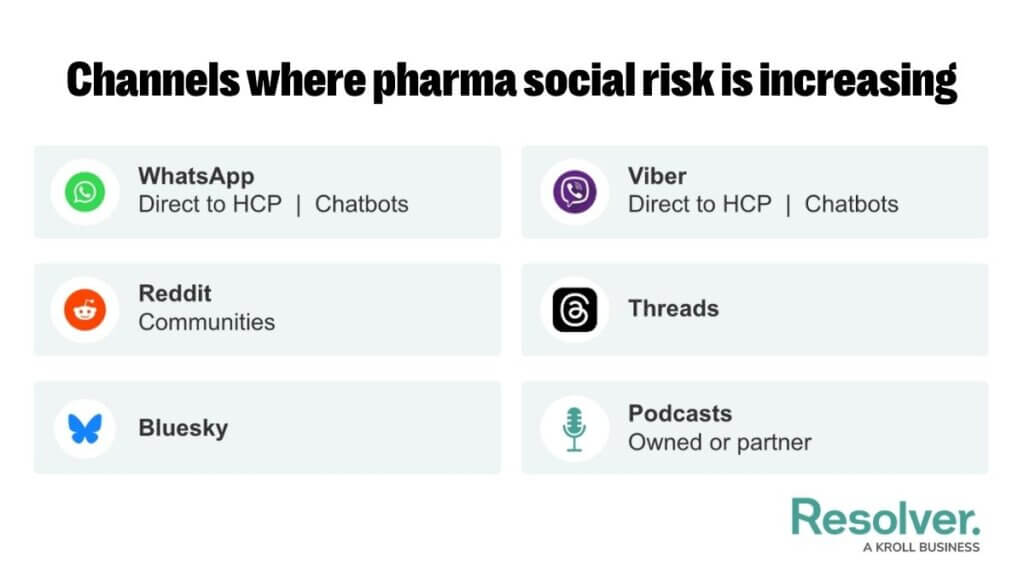
- Reddit and condition-specific communities: On niche forums, patients often describe treatment experiences in fragmented, non-clinical language. That makes the issue less about keyword detection alone and more about interpretation: does this comment suggest an adverse event, and if so, what action should the social team take now?
- Private groups (like WhatsApp): Patient advocacy groups and HCP networks increasingly use private or semi-private messaging apps to communicate which may surface through screenshots, forwarded messages, or secondhand reports. The ambiguity here is procedural as much as technical: what counts as sufficient evidence, how should it be documented, and when does it require escalation?
- AI-assisted health tools: As patients turn to AI symptom checkers and health assistants, they may describe side effects or drug interactions during these interactions. These interactions can create safety-relevant signals that sit outside traditional workflows. The challenge is deciding how AI-assisted signals should be reviewed, documented, and validated before action is taken. If AI is part of how your team detects and documents signals, the January 2026 FDA/EMA AI Guiding Principles are worth understanding. They set the baseline for transparency, human oversight, and audit-readiness in AI-assisted workflows.
- Creator and DOL comment threads: The main sponsored post may be approved, but the discussion beneath it often introduces the real risk: informal adverse event language, loose paraphrasing of benefits, or stitched/remixed content that changes the context. For social teams, the question becomes where responsibility begins and what type of follow-through the moment requires.
 |
For a deeper look at managing digital opinion leader compliance, see our guide to high-stakes influencer marketing. |
Why standard monitoring setups don’t stretch
Pharma social monitoring was built to handle your owned brand pages and paid placements: the channels with clear workflows and set approval steps. But the reality is, the places where serious conversations are happening now play by different rules. It’s not that your teams are overlooking these spaces, it’s simply that the standard tools and processes you rely on weren’t designed to keep up with them.
These channels aren’t brand-owned, which means there’s no tidy publishing workflow you can hook your monitoring tools into. They span different time zones and languages — sometimes in regions where your local team has already clocked out for the night. And instead of neat, structured posts, you’ll often find scattered threads, quick replies, and off-the-cuff comments written in everyday language that keyword tools just don’t catch.
Picture this: it’s the middle of the night, and a potential adverse event pops up in a Reddit thread — in languages your team doesn’t account for. The real question isn’t just whether anyone spotted it. It’s whether the team knows what to do next in the moment and can act quickly without slowing down engagement or triggering unnecessary downstream review.
How pharma social teams close the confidence gap
Closing the gap isn’t about seeing more signals. It’s about giving teams the confidence to make defensible decisions when information is incomplete or time‑sensitive. The challenge for pharma teams today isn’t detection—it’s judgment.
That confidence comes from knowing which signals require escalation, which can be managed in-channel, and which don’t warrant action at all. It requires consistent review across time zones, human interpretation where language and context matter, and documentation that holds up once decisions are scrutinized later.
When that judgment support is in place, teams can respond proportionately, escalate deliberately, and keep engagement moving even when uncertainty shows up.
 |
Expanding influencer programs this year? Get the 6-step Pharma DOL Campaign Compliance Checklist to align your team before launch. |
Build confidence rather than walls
As digital engagement grows more complex, retreat isn’t the answer. Pharma teams stay effective when they move forward with confidence, even when information is incomplete and the stakes are high.
Teams build that confidence by defining how they handle uncertain moments. They review ambiguous signals consistently, preserve context, and escalate deliberately, bringing in the right expertise at the right time. When social teams know how these moments will be handled, they don’t pause just because something might require follow-up. Instead, they make confident decisions and keep campaigns moving.
The social teams making the biggest impact aren’t the ones shying away from new channels. They’re the ones making sure their coverage matches where their audiences actually spend time. They have built judgment support into their social workflows, so off-hours comments, unfamiliar languages, and evolving conversations no longer force silence or reflexive escalation. Compliance functions as a safeguard that supports engagement rather than restricting it.
Resolver delivers expert social media moderation and DOL monitoring for pharma teams, 24/7, 365 days a year — across owned, paid, and influencer channels, including the emerging spaces standard workflows weren’t built for.
If uncertainty still causes your team to hesitate when conversations move beyond familiar channels, that hesitation is the signal worth examining. Resolver can help you identify where coverage gaps may be making confident engagement harder than it needs to be.
 |
Request a custom Risk Intelligence BriefingGet a closer look at the channels, signals, and risks shaping your pharma social presence now. |