Understand Your Risk Coverage with Confidence
Control environments bring structure, but they don’t always make it clear how risk is actually covered. Resolver uses AI to surface gaps, highlight overlapping controls, and connect risk, control, and incident data so you can see where exposure exists, focus on what matters, and confidently stand behind your coverage.

The gap between controls and actual risk coverage
Risk teams are expected to explain exposure and stand behind their control environment. But when risk, control, and incident data live in different places, and mappings don’t reflect real performance, coverage becomes an assumption. Decisions slow down, confidence drops, and risk increases.
The gap between controls and actual risk coverage
Managing controls isn’t the same as understanding risk coverage. It requires knowing which controls actually mitigate risk, where duplication exists, and where gaps remain. When that visibility depends on fragmented systems, or static mappings, effort increases, and so does uncertainty.
- Unclear Coverage: Without connecting the operational data back to controls, Teams can’t confidently explain which risks are truly mitigated and which are not.
- Duplicate Effort: Similar controls are created and maintained across teams without visibility into overlap, adding unnecessary work, increasing cost, and slowing down the first line.
- Hidden Gaps: Missing or weak coverage only becomes visible after incidents or formal reviews.

Clarity on exposure. Control over your risk posture
Understand how your control environment actually reduces risk. Identify where exposure remains, where effort is wasted, and where to act, so you can make decisions with confidence and defend them when it matters.

See your true exposure
Understand which risks are genuinely mitigated and where coverage breaks down based on real data and gap analysis, not assumptions.
Cut through control noise
Identify overlapping controls and focus effort on the ones that materially reduce risk exposure.
Stand behind your decisions
Explain your risk posture clearly to executives, auditors, and regulators, without manual reconciliation.
Pinpoint where you are actually exposed
Connect risks, controls, and incidents to understand how exposure is actually being managed. Identify where controls exist, where they fall short, and where no coverage is in place – based on real activities, not static mappings.
- Risk-to-Control Mapping: Connect risks, controls, incidents, and actions to see exactly where exposure exists.
- AI Gap Analysis: Identify risks with no controls or weak mitigation before they lead to real-world impact.
- Risk Event Linkage: Validate control performance using real incidents and near-misses.
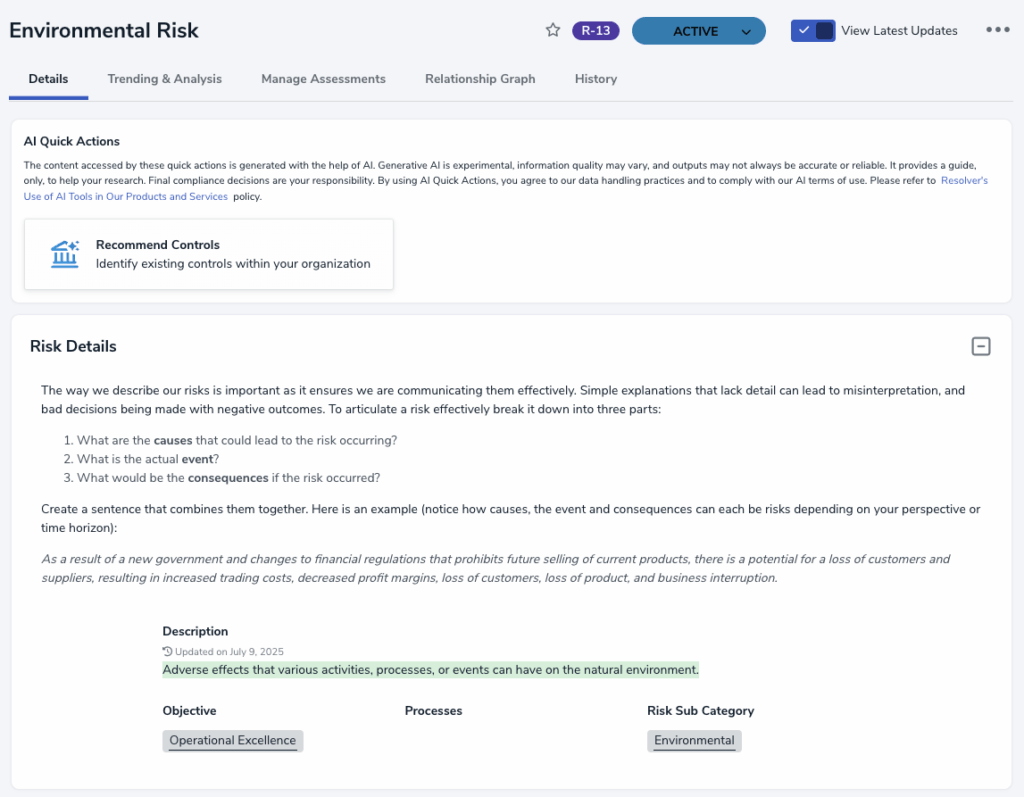
Build controls that are aligned and reusable
Standardize how controls are defined and applied across the organization. Reuse existing controls where possible and create new ones quickly when needed.
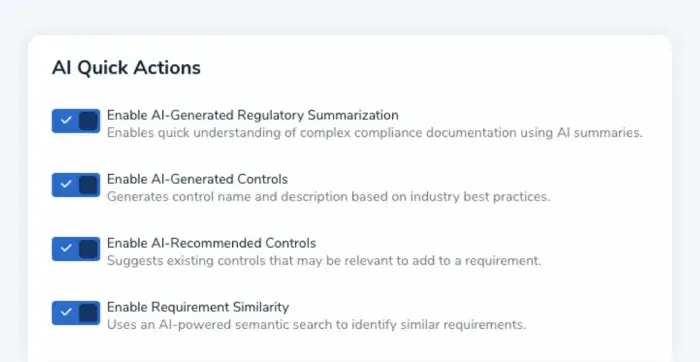
- AI-Powered Control Recommendations: Surface existing controls that align with similar risks to reduce duplication and speed up alignment.
- AI-Assisted Control Generation: Generate structured draft controls aligned with industry best practices for uncovered risks, while keeping full human review and approval.
- Centralized Control Library: Maintain reusable, standardized controls across the organization.
Get a clear, defensible view of control coverage
Bring risk, control, and compliance data together to create a single view of control coverage and performance. Understand where coverage is strong, where gaps remain, and communicate it clearly, without stitching together reports manually.
- Integrated Data Model: Combine risk, control, and incident data to surface patterns, gaps, and areas of concern.
- Outcome-to-Risk Traceability: Link control outcomes such as test outcomes and failures back to risk exposure to clearly show how risks are being mitigated.
- Unified Reporting & Dashboards: View control coverage across risks and requirements in one place without pulling data from multiple systems.
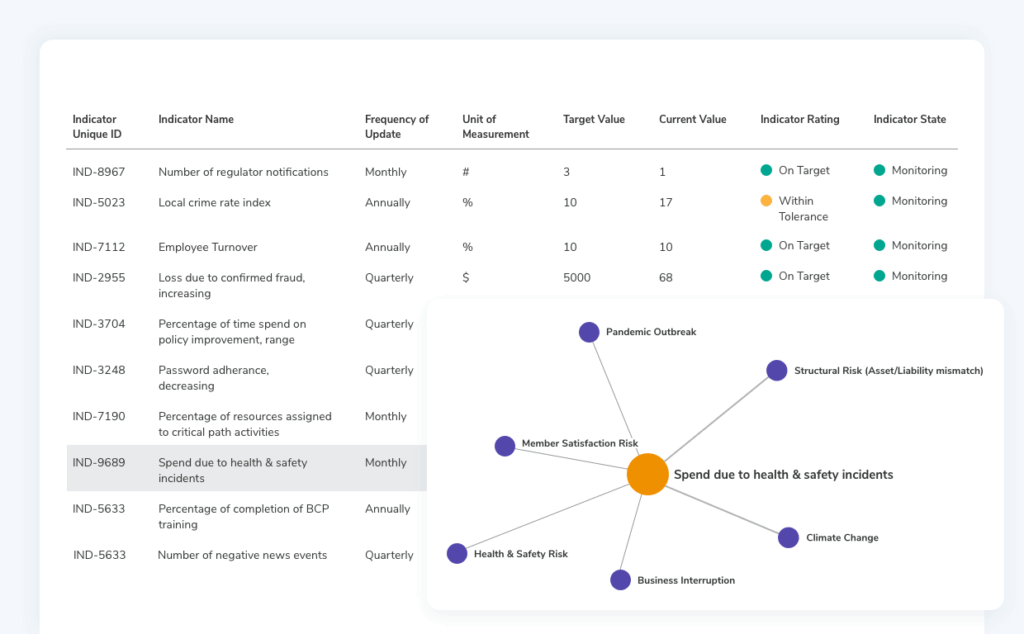
Key Features of Resolver’s Risk Control Management Solutions
Integrated Risk, Control, and Risk Event Data
Bring all relevant data into one place to create a consistent view of exposure.
Traceable Data Relationships
Maintain clear links between risks, controls, risk events, and outcomes to support analysis.
AI-Powered Gap Analysis
Continuously surface risks that are not fully mitigated so teams can act earlier.
AI-Powered Control Recommendations
Identify controls already used across the organization to reduce duplication.
Centralized Control Library
Standardize and reuse controls across teams to maintain consistency.
AI-Assisted Control Generation
Generate structured control drafts to address uncovered risks quickly.
Real-Time Reporting
Access up-to-date insights without building reports manually.
Audit-Ready Data Structure
Maintain consistent, defensible records of control coverage.
Workflow Automation
Coordinate control-related activities without manual follow-ups.
No-Code Configuration
Adapt workflows and data structures without engineering support.
Know your risk coverage without second guessing
Related Products
-
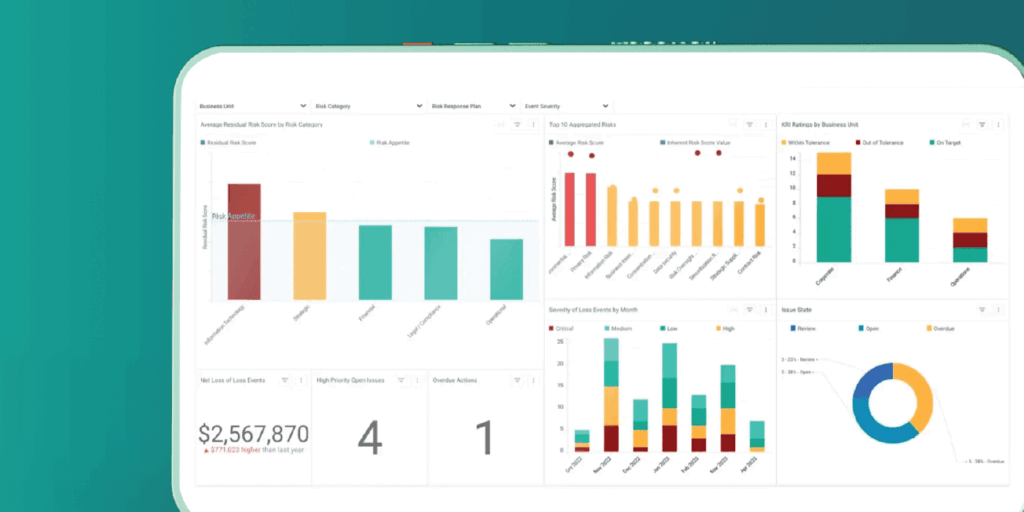
Enterprise Risk Management
Obtain a 360-degree risk view and improve executive reporting with 95% more efficiency. Resolver transforms your cross-functional risk communication, aligning it with enterprise strategy. -
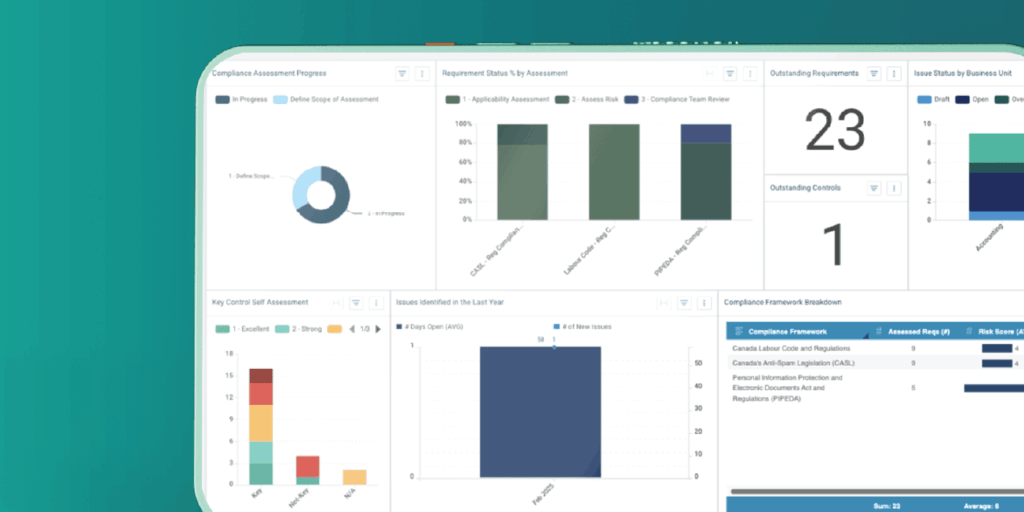
Regulatory Compliance
Improve compliance testing by 75% with Resolver’s Compliance Management solution. Stay ahead of regulatory changes with AI-enhanced content and workflows to transform compliance into strategic advantage. -
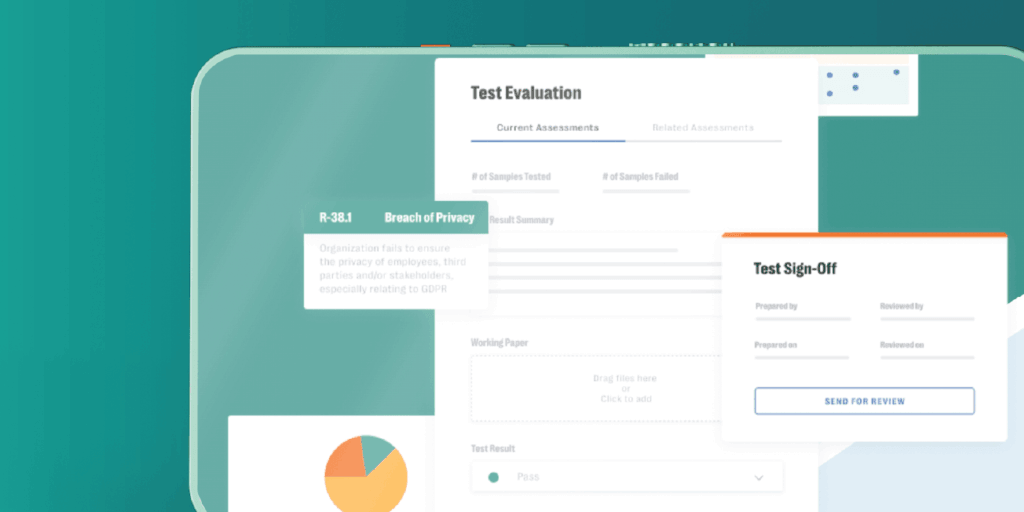
Internal Audit
Boost internal audit efficiency by 30%. Experience seamless risk-based audits with our consolidated document repository and automated workflows. Optimize team focus and data accuracy, so you can save time on reporting. -
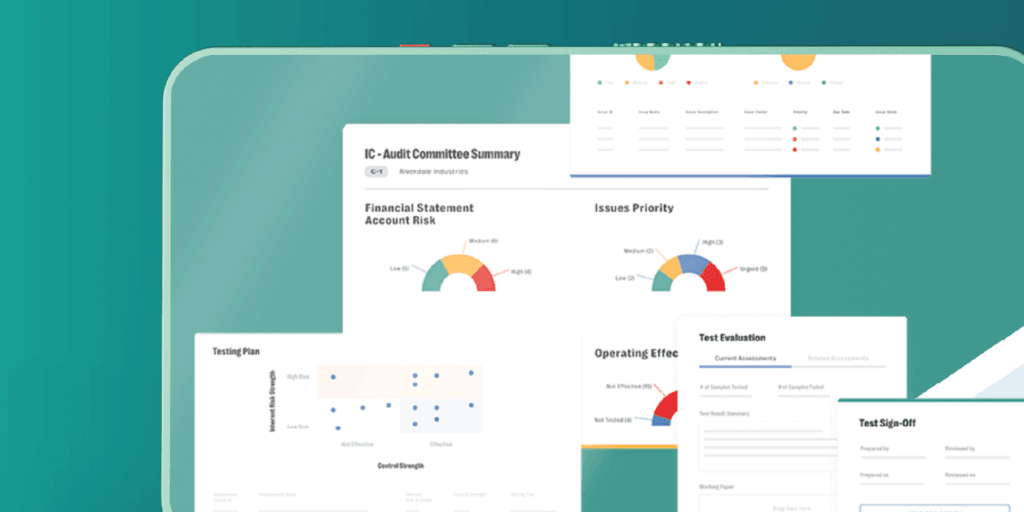
Internal Controls
Enhance financial reporting accuracy by centralizing your ICFR processes. Streamline monitoring and testing across SOX, 52-109, and other regulations with our Internal Controls Management Software. Collaborate efficiently, adapt to evolving risks, and simplify audits — all within a unified platform designed to enhance your ICFR program. -
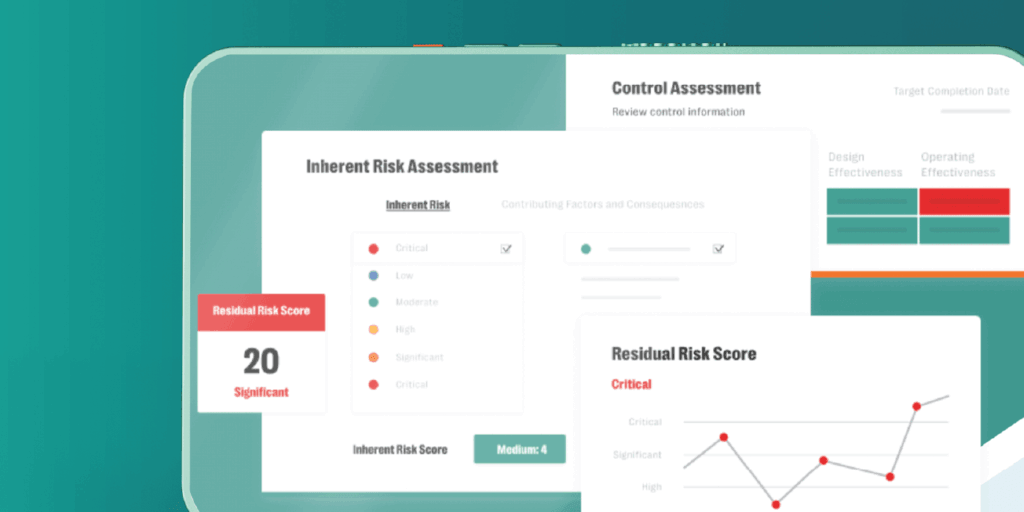
IT Risk Management
Simplify compliance with IT risk management software that supports multiple frameworks. Uncover IT vulnerabilities so you mitigate risks before they turn into costly incidents. -
IT Compliance
Gain end-to-end IT compliance against multiple frameworks with minimum effort through Resolver’s no-code software solution. -
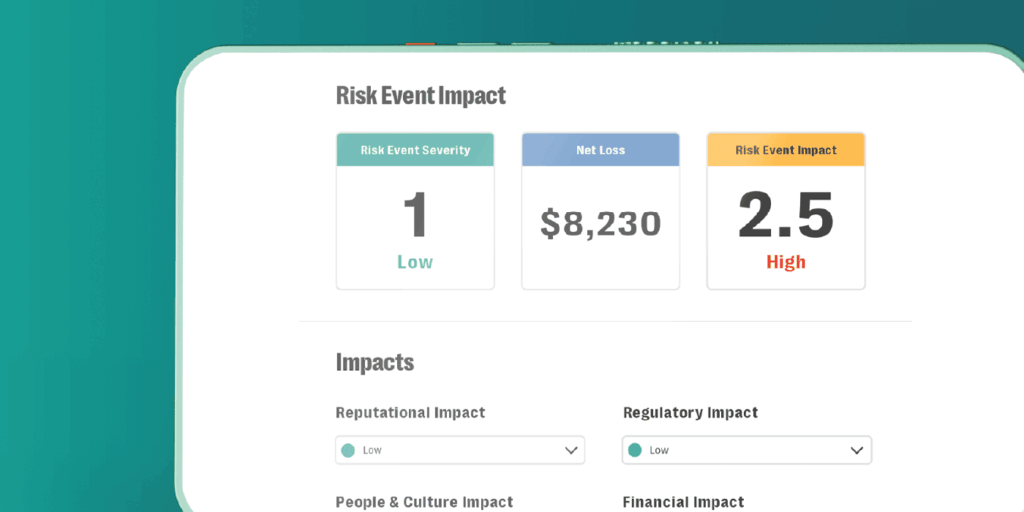
Risk Event Management
Capture the context, identify root causes, and assess the impact of every risk event. Prevent repeat losses and close gaps faster by linking issues to controls and actions. -
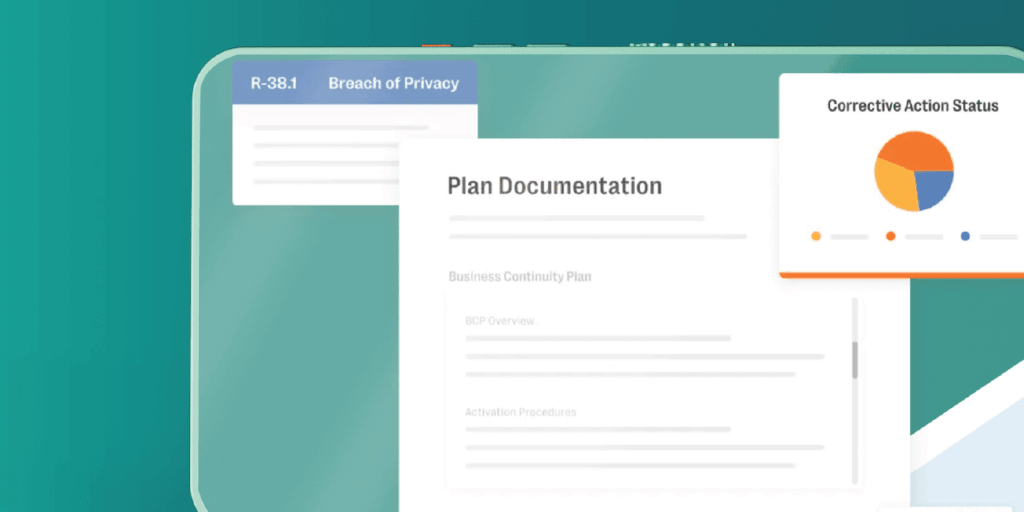
Business Continuity Management
Protect your brand and build resilience against operational disruptions with our proactive BCP solution. Ensure rapid recovery to minimize downtime, and gain significant cost savings, including $425K from reputational damage avoidance. -
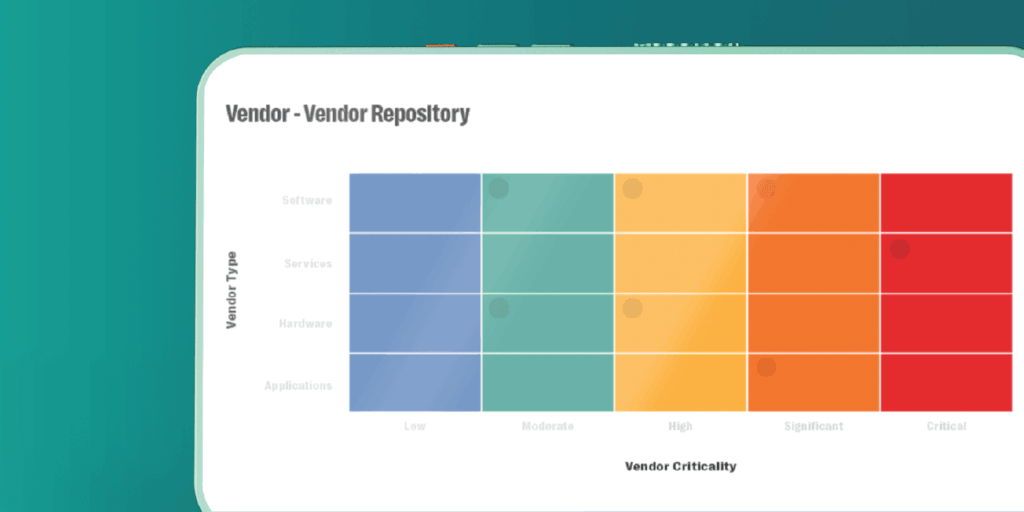
Third-Party Risk Management
Seamlessly integrate vendor profile oversight & third-party risk assessments into your overarching GRC strategy. Enhance due diligence and fortify supply chain security to help ensure accountability and ESG compliance across every partnership.
Frequently Asked Questions
- What does “risk-aligned” control management mean?
-
It means evaluating controls based on how they reduce risk, not just whether they exist or are documented.
- How is this different from traditional control management tools?
-
Traditional tools track controls. Resolver helps you understand coverage, where controls overlap, where gaps exist, and how they perform against real risk exposure.
- How quickly can we identify gaps?
-
As soon as risks and controls are connected, AI can begin surfacing missing or weak coverage in real time.
- How does AI help without adding complexity?
-
Resolver’s AI highlights gaps, surfaces overlapping requirements and controls, and recommends or generates draft controls based on your data, so teams can move faster without starting from scratch. All outputs are transparent, reviewable, and require human approval, with full traceability linking every AI-assisted insight back to underlying risks, controls, and decisions for audit readiness.