Silence Is a Stance: A Social Risk Professional’s Perspective on What 2026 Demands
In 2026, silence sends a message. Get a practitioner’s view on why comms and social teams need to prioritize proactive online risk intelligence now.

The brands that struggled with social media risk the most last year weren’t the ones that made the wrong call. They were the ones that didn’t make a call at all.
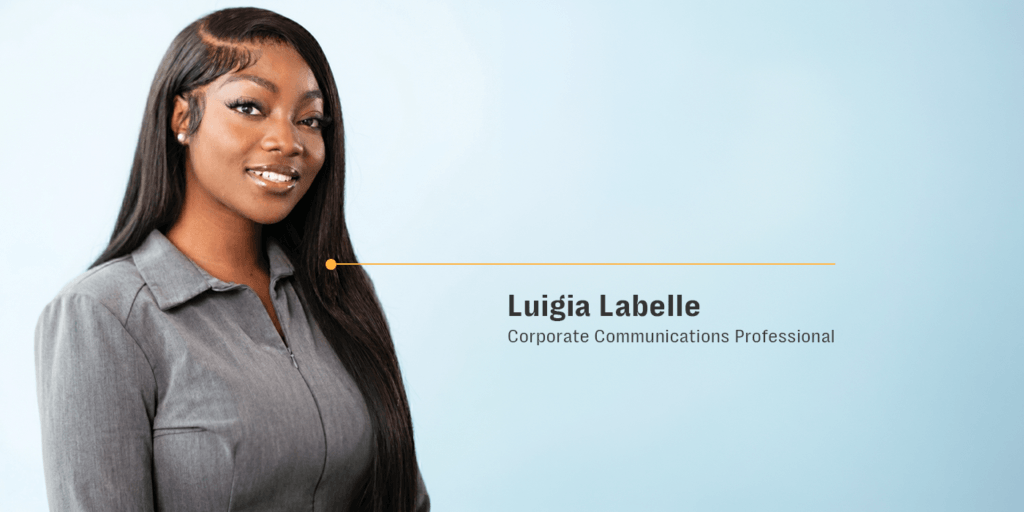
That’s the observation at the heart of a recent conversation with Luigia Labelle, global communications manager at Unilever. The views she shares here are her own, shaped by years of hands‑on experience navigating fast‑moving digital risk environments, and do not represent the company.
What she describes isn’t a crisis playbook. It’s a quieter shift in how access to strategic online risk intelligence has become part of the everyday rhythm of communications, brand, and social teams. Less reactive triage. More pattern recognition. Less “what just happened” and more “what’s forming.”
Her answers are useful for any brand navigating this environment. They matter most when the margin for error is small, and when scrutiny, regulation, or public expectation means hesitation carries risk of its own.
In your personal experience, how has your approach to risk intelligence evolved?
“In the past year, my approach has become much more proactive and integrated into day-to-day decision-making. Social media moves quickly, so instead of reacting to issues as they occur, I’ve focused on building early-warning habits — monitoring emerging narratives, observing behavioral patterns across platforms, and identifying signals that something might escalate.
I’ve also become more intentional about analyzing audience sentiment and creator-led conversations, which often reveal shifts before they appear in mainstream reporting. For me, risk intelligence has shifted from being a periodic check-in to something that informs content planning, brand safety decisions, and campaign readiness throughout the year.”
What surprised you most personally about the online risk landscape in 2025?
“The biggest surprise has been how quickly real-time cultural moments can evolve into reputational risks — especially when combined with misinformation and AI-generated content. Small narratives can snowball within hours.
Another shift is how consumers now expect organisations and brands to respond almost instantly. Silence is interpreted as a stance, so ‘risk’ is no longer just about what happens but also about the speed and clarity of your response.
Finally, platform fragmentation has made monitoring more complex. Important conversations now take place in closed communities, direct messages, niche creators’ comment sections, and micro-platforms — not only on the major channels.”
From your own observation, what trend do you think most companies quietly underestimated?
“Many underestimated the impact of AI-driven user-generated content — not just deepfakes, but subtle, low-effort manipulations that blur context. These small distortions often travel further than major fabrications and can influence sentiment in ways companies didn’t anticipate.
Another underestimated trend is the power of creator communities in shaping brand perception. What creators discuss among themselves sets the tone for how audiences interpret brand actions and industry changes. Monitoring creators as cultural early indicators has become just as important as monitoring traditional channels.”
At the start of 2026 you flagged authenticity and private digital spaces as the signals to watch. Now that we’re a few months in — has anything already surprised you, or do those predictions still hold?
“A few months in, those signals have absolutely held. If anything, they’ve intensified faster than expected. What’s been most striking is how quickly conversations in private and semi-private spaces are shaping public perception. Narratives are forming, evolving, and reaching consensus in closed communities or creator circles before brands even see them surface on mainstream channels. By the time something breaks publicly, it’s often already been decided culturally.
AI is accelerating both sides of that dynamic — making it easier to generate and spread content at speed, but also raising the stakes for authenticity. Audiences are becoming much more attuned to what feels real, and anything overly polished or automated is scrutinized more quickly.
If there’s one thing I’d add, it’s that this environment is reinforcing the importance of the human layer. The brands navigating this well aren’t relying on AI alone — they’re combining it with strong internal judgment and close relationships with creators and community voices. There’s a clear shift from simply tracking narratives to actively participating in them early, in the spaces where they actually take shape.”
“The prediction still holds, but the pace has increased, and the margin for being out of sync has shrunk.”
“Staying ahead now isn’t just about visibility. It’s about proximity, credibility, and human understanding, supported by the right technology.”
If you had to give one piece of advice to social risk teams planning the rest of 2026 or thinking ahead to next year, what would it be?
“Build relationships across teams, because managing risk is never something that sits with just one function. And invest in reading micro-shifts in sentiment, not just major spikes. Smaller pockets of conversation often reveal risk earlier, but they require more nuanced reading.”
Four key takeaways for your brand team
Luigia’s perspective surfaces something data alone can’t capture. It reflects the lived experience of managing risk inside a high-visibility consumer brand, where decisions are made under pressure and often without clear thresholds.
- Silence has a cost. Expectations of near‑instant response have reshaped what risk management looks like in practice. The question is no longer whether you have a process, but whether that process is fast and contextual enough to act before silence becomes the story.
- Creators are partners, not just amplification channels. Many of the conversations that later shape brand risk begin in creator communities, closed comments, and niche spaces long before they reach owned channels. Teams that treat these spaces as peripheral often see risk too late.
- Private spaces remain the biggest blind spot. Group chats, community servers, and niche forums are where narratives form before they are visible at scale. By the time something breaks publicly, it’s often already been decided culturally. Teams relying primarily on owned-channel workflows continue to miss that window.
- The human layer is becoming a competitive differentiator. As AI‑assisted content becomes more common, subtle shifts in disclosure, labeling, and audience trust increasingly shape how narratives are interpreted. These changes rarely trigger obvious spikes, but they quietly influence risk long before hindsight makes them clear.
Teams responsible for brand trust don’t fail because they miss a headline. They fail because they wait for one. By the time something looks like a clear issue, the direction of the narrative is often already set. The work now is deciding earlier, with less certainty, and being accountable for that call.
About Luigia: Luigia Labelle is a Corporate Communications Strategist focused on reputation and issues management inside a global consumer organization. Her work sits at the intersection of stakeholder communications, digital narratives, and emerging online risk, where decisions often need to be made before issues fully surface.
 |
Download The Moderation Gap report.Our latest research report reveals what community teams are dealing in 2026, and the practical shifts you can adopt now to stay ahead of social risk. |