Replacing disconnected spreadsheets with a single source of truth
Running risk management out of Excel works until it doesn’t. For Albert Tam, Director of Operational Enterprise Risk at a regulated financial institution, and his team, that meant separate spreadsheets for control testing, risk documentation, issue management, and operational risk events. Each one current as of the last time someone updated it. None of them talking to each other.
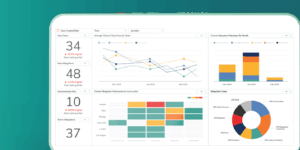
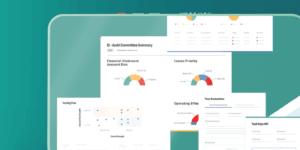
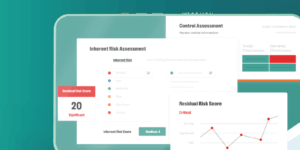
Resolver replaced that with a single source of truth. At any given point, Tam’s team knows what the most up-to-date information is across controls, risks, and how they’re performing. That visibility has changed how the organization understands its own risk profile. The true state of controls isn’t buried in a file someone last saved two weeks ago. It’s there, current, and accessible to the people who need it.
Having used other GRC tools before, Tam knew what he was looking for and what he wanted to avoid. Resolver’s interface stood out, but what sealed the final decision was configurability. His institution needed a platform that could be shaped to fit how they actually work, not one that required them to adapt around it. That same responsiveness has carried into how Resolver operates day to day. Questions are answered quickly, needs are addressed, and that responsiveness has given Tam’s team something solid to build their program on.
Tam expects AI to take on the analytical groundwork: the gap analysis, initial drafts, and policy documentation that takes hours but rarely requires much judgment. That’s hours of work per week that currently sits with risk and compliance teams. When AI handles it, those professionals spend that time on the decisions that require actual judgment. Tam sees that as a better use of the expertise his team has built, so they can take on the bigger problems that needs solving.
Discover how Resolver uses AI to streamline regulatory change management.