Top 7 Governance, Risk, and Compliance Platforms to Consider in 2026
A practical guide to governance, risk, and compliance platforms that strengthen risk visibility, audit readiness, compliance workflows, and resilience.


It’s easy to tell when a GRC program starts to outgrow the systems behind it. You’ll know because what should be a connected process turns into fragmented work across multiple systems.
That fragmentation creates operational blind spots. Teams spend more time chasing updates, validating information, and reconciling reports than identifying risks or improving controls. Small gaps in visibility can quickly become larger compliance, operational, or reporting challenges.
Modern governance, risk, and compliance platforms are designed to solve that problem. Instead of treating risk, compliance, audit, and operational events as separate activities, today’s leading GRC tools connect data, automate workflows, and improve visibility across the organization.
TL;DR
-
Governance, risk, and compliance software helps organizations centralize risk, compliance, controls, incidents, audit, and remediation activities.
-
A GRC platform connects data and workflows across teams, reducing silos, manual processes, and duplicated effort.
-
GRC software provides configurable workflows, dashboards, and reporting to support consistent governance, risk, and compliance processes.
-
Centralized risk and compliance data improves visibility into issues, trends, controls, and remediation progress.
-
The right GRC platform should support cross-functional collaboration, scalable processes, and more consistent reporting across the organization.
This guide reviews seven of the top governance, risk, and compliance platforms for businesses in 2026, including enterprise-focused solutions, modern integrated GRC tools, and compliance platforms designed to improve scalability, visibility, and operational resilience.
Discover Resolver's solutions.
What are GRC tools and software?
GRC tools are software platforms that help organizations manage governance, risk, and compliance in one centralized system. They streamline tasks like policy management, risk assessments, audits, compliance tracking, and incident reporting.
By automating workflows and improving visibility, GRC software helps businesses reduce operational, cybersecurity, and regulatory risks while also making it easier to stay aligned with industry standards and prepare for audits.
Recent trends shaping governance, risk, and compliance platforms in 2026
Several major trends are reshaping how organizations evaluate GRC technology.
- AI-assisted workflows are becoming operational
Organizations are prioritizing embedded AI that supports real GRC workflows, such as summarizing incidents, identifying risk patterns, and improving reporting, while maintaining transparency, auditability, and human oversight. - Organizations are moving toward integrated GRC programs
Organizations are moving away from siloed compliance management toward integrated GRC programs that connect risks, controls, incidents, audits, obligations, and operational data, improving visibility, reporting consistency, collaboration, and risk prioritization. - Usability and adoption are becoming critical
Modern governance, risk, and compliance platforms need to support users across the business, not just compliance and audit teams. Simple workflows, intuitive interfaces, and clear dashboards help improve adoption and the quality of risk data collected across the organization.
Top 7 GRC platforms in 2026
1. Resolver
Best for: Organizations looking for scalable, integrated GRC with flexible workflows, connected data, and practical embedded AI
Resolver is designed to help organizations unify governance, risk, and compliance activities within a connected, highly configurable platform. Unlike many traditional enterprise GRC systems that require extensive IT involvement, Resolver emphasizes adaptability, usability, and operational visibility across the organization.
One of Resolver’s strongest differentiators is its connected data model, which links risks, controls, incidents, obligations, and workflows within a single system. By creating a more unified, context-rich source of compliance and operational data, organizations gain stronger visibility across the entire GRC lifecycle while reducing the silos that often limit decision-making and reporting effectiveness.
That connected foundation also strengthens Resolver’s embedded AI capabilities. Because the platform’s AI operates on integrated, high-quality operational and compliance data rather than fragmented point solutions, organizations can generate more accurate insights.
Resolver also supports no-code configuration, allowing teams to adapt workflows, reporting, and processes without relying heavily on technical resources.
The platform’s embedded AI capabilities are designed to support operational efficiency rather than replace human oversight. AI-assisted workflows can help organizations:
- Summarize regulatory changes
- Map-related requirements
- Support control development
- Identify potential gaps
- Improve consistency across compliance activities
Because these capabilities are built on connected organizational data, organizations gain more contextual and reliable insights.
Resolver also supports integrated event and issue capture, helping organizations involve first-line teams and improve real-time operational visibility.
Key features:
- Connected enterprise data model
- No-code workflow configuration
- Integrated risk, compliance, and incident management
- Embedded AI support
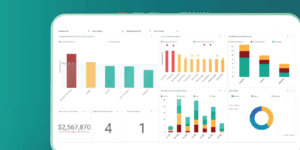
- Real-time dashboards and reporting
- Cross-functional collaboration workflows
- Enterprise scalability
Limitations:
- Highly customized legacy governance processes may require phased rollout strategies
- Best suited for organizations seeking integrated, scalable GRC maturity
Organizations exploring more advanced GRC capabilities often begin by evaluating their current systems to determine whether they can support long-term operational growth and resilience.
Businesses looking for a flexible, scalable platform can explore Resolver’s governance, risk, and compliance software.
2. Optro
Best for: Audit-centric organizations seeking strong audit and compliance workflows
Optro (formerly AuditBoard) is widely recognized for its audit management and internal controls capabilities. The platform is commonly used by organizations focused heavily on SOX compliance, audit workflows, and internal control management.
The platform offers:
- Audit management
- Risk assessments
- Compliance workflows
- Internal controls tracking
- Reporting dashboards
Optro has expanded its broader GRC functionality over time, though many organizations still primarily associate it with audit use cases.
Limitations:
- Stronger for audit-focused programs than enterprise-wide operational GRC
- Some organizations may require additional customization for broader risk management workflows
- AI capabilities continue evolving
3. MetricStream
Best for: Large enterprises requiring highly customizable enterprise GRC frameworks
MetricStream remains one of the most established enterprise GRC vendors on the market. The platform supports large-scale compliance, risk, audit, and policy management programs across global organizations.
Key features include:
- Enterprise risk management
- Policy and compliance management
- Regulatory tracking
- Audit management
- Third-party risk workflows
- AI-assisted analytics
MetricStream offers significant configurability and enterprise depth, making it attractive for highly regulated industries.
Limitations:
- Implementation can be lengthy and resource-intensive
- Often requires significant IT support and administrative management
- Complexity may reduce adoption among non-specialist users
4. Archer
Best for: Organizations with mature, highly customized enterprise risk programs
Archer (formerly RSA Archer) has long been considered a major enterprise GRC platform for organizations with complex governance and compliance requirements.
The platform supports:
- Enterprise risk management
- Third-party risk
- Business continuity
- Regulatory compliance
- Audit management
- Workflow customization
Archer’s flexibility allows organizations to build highly tailored GRC environments.
Limitations:
- Steep learning curve
- Heavy configuration requirements
- Significant IT involvement is often required for ongoing maintenance
- User experience may feel complex for broader organizational adoption
5. LogicGate
Best for: Mid-market organizations seeking configurable workflow automation
LogicGate focuses heavily on workflow flexibility and process automation. Its no-code approach appeals to organizations that want customizable workflows without relying entirely on development resources.
Key features:
- No-code workflow builder
- Risk and compliance management
- Process automation
- Reporting dashboards
- Third-party integrations
LogicGate is often viewed as more agile than some traditional enterprise GRC platforms.
Limitations:
- Reporting and enterprise scalability may vary depending on use case complexity
- Some organizations may require additional integrations for broader operational visibility
- AI functionality is still developing compared to emerging market expectations
6. ServiceNow GRC
Best for: Organizations already heavily invested in the ServiceNow ecosystem
ServiceNow GRC extends governance and compliance capabilities into the broader ServiceNow enterprise platform.
The platform supports:
- Risk management
- Policy management
- Compliance workflows
- Security operations integration
- Workflow automation
Organizations already using ServiceNow for IT operations often benefit from ecosystem alignment.
Limitations:
- Can become highly IT-centric
- Implementation and maintenance complexity may increase costs
- Non-technical business users may face usability challenges
- Extensive customization is often required
7. Drata
Best for: SMBs and fast-growing companies focused on compliance automation
Drata is widely used by startups and mid-sized organizations seeking to accelerate compliance with frameworks such as SOC 2, ISO 27001, and HIPAA.
The platform emphasizes:
- Automated evidence collection
- Compliance monitoring
- Security integrations
- Audit preparation
Drata’s ease of implementation appeals to smaller organizations with limited compliance resources.
Limitations:
- Narrower scope compared to enterprise GRC platforms
- Less suited for integrated enterprise risk management
- Limited support for broader operational resilience programs
- May not scale effectively for highly complex enterprise environments
Summary comparison table
Below is a high-level comparison of leading governance, risk, and compliance platforms based on scalability, operational visibility, workflow flexibility, and enterprise readiness.
|
Platform |
Best for |
Strengths |
Limitations |
|
Resolver |
Integrated, scalable enterprise GRC |
Connected data model, no-code workflows, embedded AI, operational visibility |
May require phased rollouts for existing customizations |
|
Optro |
Audit and controls management |
Audit workflows, compliance support |
More audit-centric than enterprise-wide GRC, with less operational risk visibility and fewer capabilities for connecting compliance activities across broader business functions |
|
MetricStream |
Large enterprise GRC |
Broad enterprise capabilities |
Complex implementation, higher administrative overhead, and longer deployment timelines that may require significant internal resources and specialized expertise |
|
RSA Archer |
Mature enterprise risk programs |
Deep customization |
IT-heavy maintenance, usability challenges for business users, and greater reliance on technical teams for configuration and ongoing management |
|
LogicGate |
Mid-market workflow automation |
Flexible no-code workflows |
Variable enterprise scalability and may require additional customization to support highly complex global compliance and risk environments |
|
ServiceNow GRC |
Existing ServiceNow customers |
Ecosystem integration |
Technical complexity, potentially higher implementation costs, and a steeper learning curve for organizations without existing ServiceNow maturity |
|
Drata |
SMB compliance automation |
Fast implementation |
Limited enterprise scope, less operational risk visibility, and fewer capabilities for complex multi-framework governance and cross-functional compliance management |
What businesses should look for in a modern GRC platform
Not all GRC platforms are designed the same way. As businesses evaluate options, several capabilities have become increasingly important.
Ease of implementation and adaptability
One of the biggest challenges with traditional GRC software is complexity. Platforms that require heavy IT support often slow implementation timelines and reduce long-term adoption.
Modern organizations increasingly prefer configurable, no-code or low-code platforms that allow teams to:
- Adjust workflows without development resources
- Adapt reporting as regulations change
- Scale programs more quickly
- Support cross-functional teams without major system overhauls
This flexibility is especially important for organizations managing evolving compliance requirements or operational risk programs.
Connected data models
A connected data model is becoming one of the most important differentiators in modern GRC.
|
For example, consider how a disconnected compliance issue can escalate inside a large organization. A policy update may be tracked by compliance teams, while operational incidents are logged separately by security or frontline teams. Without connected workflows and centralized visibility, organizations may miss how those events relate to one another until an audit finding, regulatory issue, or operational disruption occurs. |
Modern GRC platforms help close these visibility gaps by connecting risks, controls, incidents, and remediation activities within a unified system.
This allows organizations to identify patterns earlier, reduce duplication, improve accountability across teams, and make faster, more informed decisions when risks emerge.
Workflow automation
Modern GRC platforms should support more than static tracking and documentation.
Organizations increasingly need workflow automation for:
- Addressing issues
- Regulatory updates
- Control testing
- Policy approvals
- Risk assessments
- Escalations and notifications
- Remediation tracking
Automation reduces manual effort while improving consistency and accountability across teams.
Reporting and real-time insights
Strong reporting capabilities help organizations move from reactive compliance management to proactive risk oversight.
Organizations should look for platforms that support:
- Real-time dashboards
- Executive reporting
- Cross-functional visibility
- Trend analysis
- Audit-ready reporting
- Operational metrics
Businesses looking to improve visibility and decision-making often prioritize platforms with strong executive GRC reporting capabilities that support strategic growth and operational resilience.
Practical AI support
AI has become a major trend across the GRC market, but many offerings remain surface-level or disconnected from operational workflows. The most effective AI capabilities are transparent, embedded directly within the platform, and supported by connected data models.
Practical use cases include:
- Summarizing regulatory updates
- Mapping overlapping requirements
- Supporting control creation
- Identifying control gaps
- Accelerating documentation reviews
- Reducing manual administrative work
 |
Top Compliance Management Software Compared for 2026
Explore seven leading tools for managing frameworks, controls, evidence, and regulatory obligations in one connected compliance program. |
How to choose the right GRC platform
The right platform depends on organizational size, complexity, regulatory exposure, and operational maturity. When evaluating options, organizations should consider:
- Ease of implementation
- Long-term scalability
- Workflow flexibility
- Reporting capabilities
- AI transparency and usability
- Connected data architecture
- Cross-functional adoption potential
Enterprise organizations often require broader visibility and integrated workflows that support multiple risk and compliance functions. Smaller organizations may prioritize faster implementation and simplified compliance management. However, many organizations eventually outgrow point solutions that only address narrow compliance requirements. The most sustainable long-term investments are typically platforms that:
- Connect operational data across workflows
- Scale with organizational growth
- Support automation and visibility
- Enable collaboration across business functions
- Adapt as regulatory requirements evolve
Questions to ask when evaluating GRC platforms
Before selecting a platform, organizations should ask vendors:
- How much IT involvement is required for implementation and ongoing changes?
- Does the platform use a connected data model across risks, controls, incidents, and compliance activities?
- How are AI capabilities embedded into workflows?
- Can reporting be customized for executives and operational teams?
- How easily can workflows adapt to evolving regulatory requirements?
- What level of cross-functional collaboration does the platform support?
These questions can help organizations determine whether a platform will support long-term scalability and operational resilience — or simply add another disconnected layer of complexity.
Common GRC implementation challenges
Even the best GRC platform can struggle if implementation lacks alignment, adoption, or operational ownership.
Some of the most common implementation hurdles include:
- Fragmented data sources
- Lack of executive alignment
- Overly complex workflows
- Poor cross-functional adoption
- Manual reporting processes
- Unclear ownership structures
Many organizations also underestimate the importance of usability. If front-line teams avoid using the platform, organizations lose valuable operational data and visibility.
Best practices for successful GRC implementation
Organizations that achieve stronger outcomes typically focus on:
- Starting with clearly defined business objectives
- Prioritizing cross-functional collaboration
- Simplifying workflows where possible
- Building scalable governance structures
- Automating repetitive processes
- Creating consistent reporting frameworks
- Supporting operational adoption beyond compliance teams
Organizations that modernize and integrate GRC programs often see measurable operational improvements.
In fact, some organizations report significant ROI (327%) from integrated GRC initiatives, driven by reduced manual effort, improved visibility, and stronger decision-making.
How GRC platforms support business growth
Governance, risk, and compliance programs have become significantly more complex over the past few years. Organizations are managing expanding regulatory obligations, evolving operational risks, growing cybersecurity concerns, and increasing pressure to provide executive-level visibility across the business.
Leading GRC tools help organizations connect risk data, automate workflows, improve reporting, and scale compliance programs across multiple business functions. The most effective platforms also enable organizations to move beyond second-line compliance teams by making risk management more collaborative and operationally embedded.
Strong GRC programs should be capable of:
- Improving executive visibility
- Reducing operational blind spots
- Responding faster to incidents
- Improving accountability
- Streamlining regulatory processes
- Supporting scalable growth
- Increasing organizational resilience
This becomes especially important as organizations expand into new markets, manage evolving regulatory obligations, or scale operational complexity.
Integrated platforms also help organizations reduce reliance on tribal knowledge by centralizing workflows, controls, and reporting processes.
Real-world examples of scalable GRC programs
Organizations implementing integrated GRC programs often improve visibility and collaboration across multiple business units.
For example:
- Farm Credit Canada partnered with Resolver to help advance enterprise-wide GRC maturity by creating a more connected approach to risk and compliance management. By improving operational visibility and centralizing risk-related information, the organization was better positioned to support cross-functional collaboration, streamline reporting processes, and strengthen oversight across business units.
- Similarly, Ninety One implemented Resolver to modernize and scale its enterprise risk management program. The organization sought greater consistency and coordination across teams while improving governance processes and risk visibility in a complex operating environment. Resolver’s connected platform helped support more scalable workflows, stronger accountability, and improved access to actionable operational and compliance data.
These examples reflect a broader industry shift toward connected, operationally integrated GRC strategies.
Building operational resilience with Resolver’s connected GRC platform
As governance, risk, and compliance programs continue evolving, organizations need platforms that do more than track obligations or manage audits.
The strongest GRC platforms help organizations connect data, automate workflows, improve reporting, and support operational resilience across the business.
While many enterprise tools offer broad functionality, organizations increasingly prioritize usability, flexibility, and connected visibility that extends beyond second-line compliance teams.
At the same time, AI is reshaping how organizations approach risk and compliance workflows. But meaningful AI outcomes depend on structured, connected data and transparent operational processes rather than standalone automation layered onto fragmented systems.
Resolver’s approach reflects this shift by combining configurable workflows, integrated data models, embedded AI support, and cross-functional visibility within a scalable enterprise platform.
The result is stronger collaboration, better visibility into operational risk, and governance processes that support business growth instead of slowing it down.
To learn how organizations are building more scalable and connected GRC programs with AI-assisted insights, explore Resolver’s risk management and compliance management showcases.